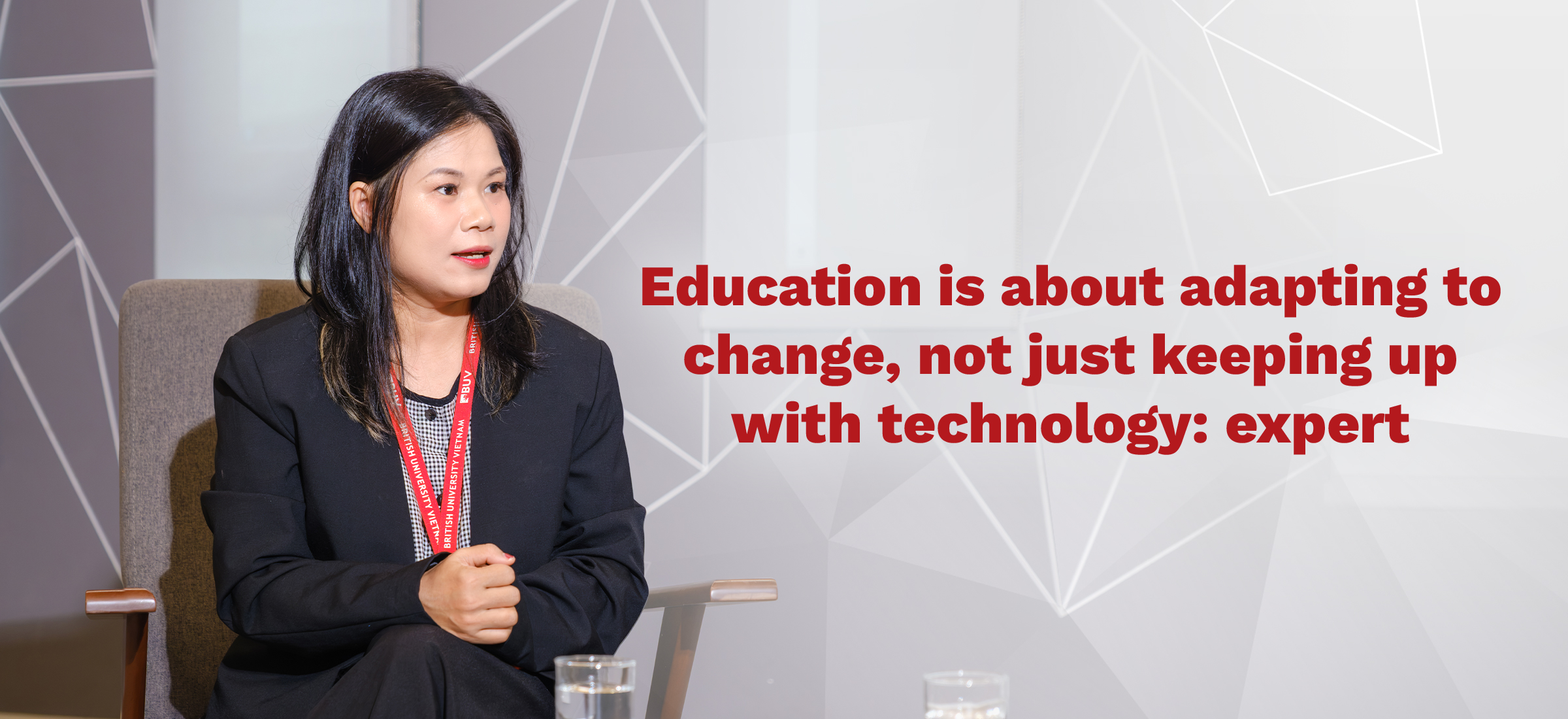

Dr. Pham Hai Chung, Head of the School of Communications and Creative Industries at British University Vietnam (BUV), discusses how AI is reshaping creative education, why human judgment remains essential, and how universities can prepare students for a changing job market.
Chung holds a PhD in Communications from Bournemouth University in the U.K. and completed postdoctoral research at Harvard University in the U.S.

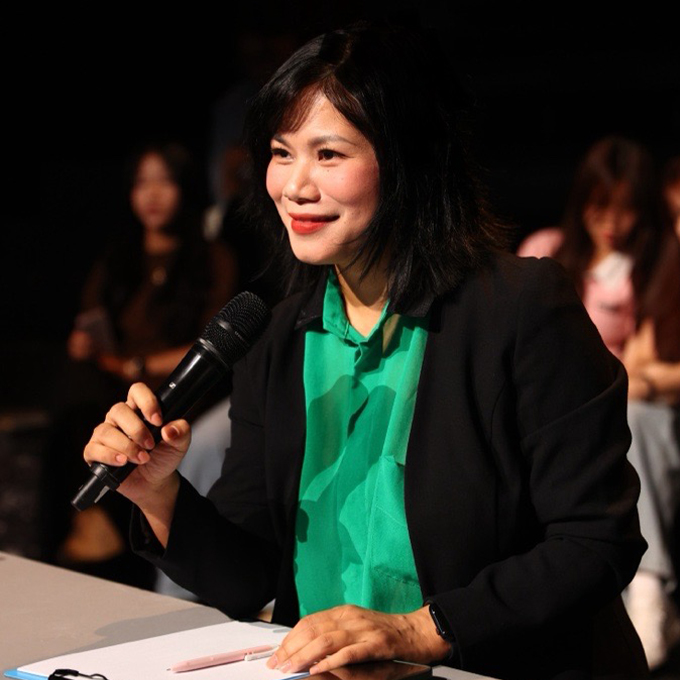
With AI advancing rapidly, some parents and students are questioning whether communications and creative industries remain viable career choices. How do you see the future of these fields?
To understand AI's impact, we need to consider the broader picture. In Vietnam, people spend around six to eight hours a day online, including about three hours on social media. This reflects substantial demand for information, entertainment and digital content.
Meeting that demand across advertising, film, entertainment and digital production requires a sizeable workforce. As these industries evolve, they also create roles and career paths that did not previously exist.
AI's emergence is comparable in some ways to the early days of the internet and Google. People once questioned the value of education when information became readily available online. Yet these technologies did not make education or entire professions obsolete. Instead, they changed the knowledge and skills professionals needed.
AI is not simply taking opportunities away from creative professionals. It is raising expectations and pushing them to become more versatile.
AI can now produce designs and advertising copy within seconds. What will creative professionals still be expected to contribute?
AI can handle simple, repetitive tasks, produce basic advertising copy, answer theoretical questions and process existing information. However, it has limitations when dealing with specific real-world contexts, such as Vietnamese consumer behavior and the cultural nuances of different communities.
Creative work requires human ideas and perspectives. A poem is more than a combination of words, just as graphic design needs a compelling concept rather than simply an arrangement of visual elements.
Technology can help us develop and execute ideas more quickly. But understanding human experiences, interpreting complex situations and creating stories that resonate with audiences still require human involvement.
If AI can perform tasks and process information faster, which skills should creative professionals prioritize?
The most important capabilities are critical thinking, social responsibility and the ability to verify information.
When almost anyone can produce content with a smartphone, distinguishing fact from fiction becomes increasingly challenging. Professional creators need a strong academic foundation and systematic training. They must understand how their work influences audiences, whether it complies with legal requirements and what value it contributes to society.
Knowing how to use an AI tool does not automatically make someone a capable content creator. The ability to evaluate information, work with integrity and understand people helps professionals navigate technological change.

Some believe short courses are enough to master AI tools. What value does a university degree in a creative discipline offer today?
Higher education should equip students with critical thinking, independent judgment and the ability to adapt to technological change.
Mastering a tool involves more than knowing its basic functions. Almost everyone can use Google to search for information, but effective research requires additional skills, from advanced search techniques and data analysis to critical interpretation.
Structured learning and practice help develop these capabilities.
At BUV, students build professional skills from the start of their studies. Alongside subject knowledge and creative tools, they learn project management, entrepreneurial thinking and research methods. Field trips and international study visits also broaden their perspectives.
We do not teach students to compete with technology. The tools they learn today may become outdated tomorrow. Instead, we want them to ask the right questions, tell compelling stories, turn creative ideas into commercially viable products, and create with integrity and social responsibility.
Responsible creativity is a professional competency. It means understanding the purpose of one's work, communicating honestly, verifying information, approaching people with empathy and taking responsibility for the consequences of what one creates.
Can you share a student project that demonstrates the importance of responsible creativity?
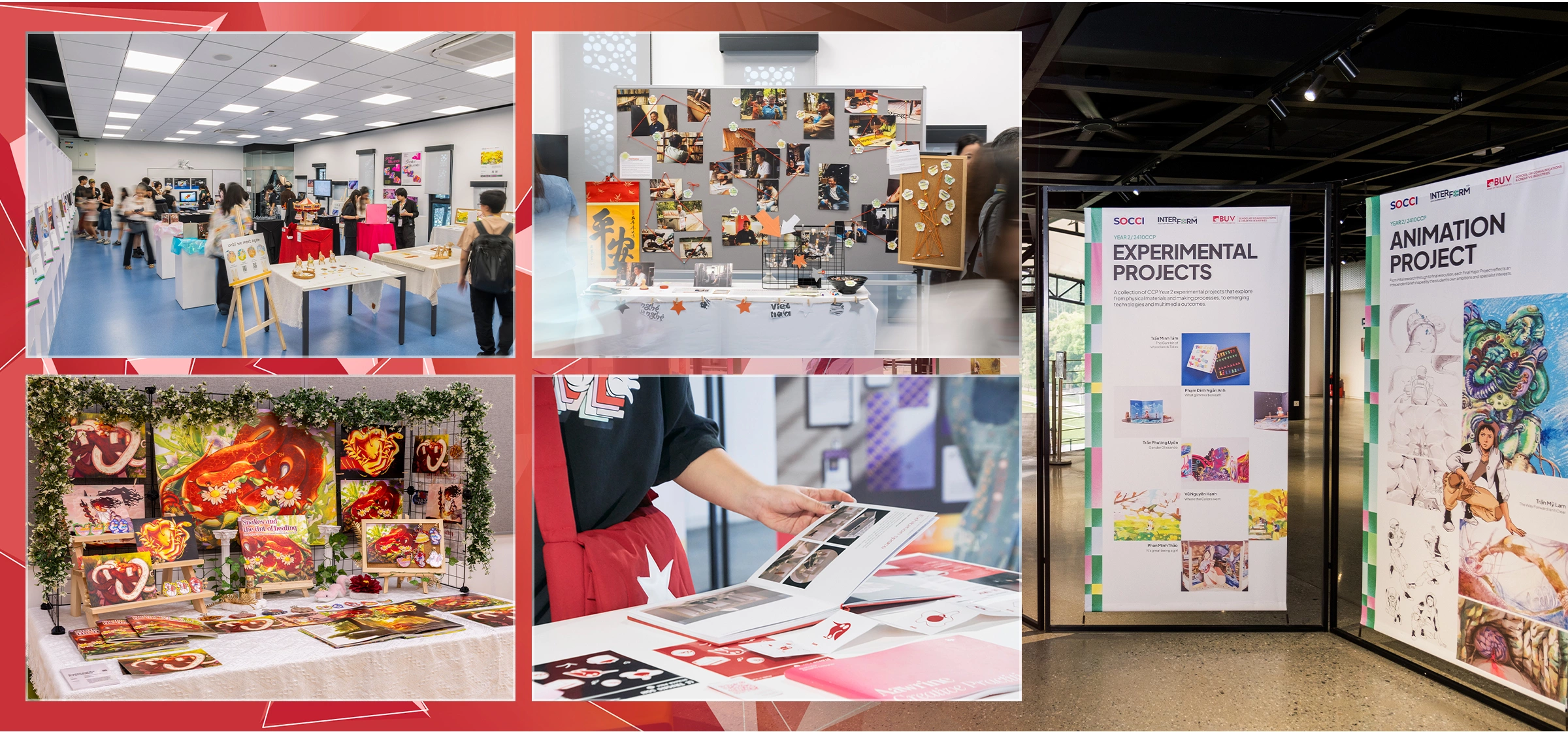
One project that has stayed with me involved second-year students telling the stories of people whose occupations are often overlooked or undervalued.
Over two weeks, they observed, listened to and documented the lives of sanitation workers, carpenters, seal engravers and bus drivers.
The students told these stories through the workers' hands. They woke up early, waited at workplaces and spent time getting to know the people they were filming. The result was an eight-minute film that demonstrated empathy and close attention to detail.
There is sometimes an assumption that students at international universities, particularly those from more affluent backgrounds, may struggle to understand the experiences of ordinary working people. This project challenged that perception, showing how education can encourage students to engage with people from different backgrounds and create work grounded in genuine understanding.
That human connection is something we should continue to develop, regardless of how advanced AI becomes.
How does BUV ensure students develop their own ideas rather than relying on AI to produce seemingly thoughtful work?
We do not prohibit students from using AI. Instead, we encourage them to treat it as a virtual colleague while being transparent about its role in their work.
Every assignment must include an AI Usage Log documenting how students used the technology, the prompts they entered and how they refined the results.
Lecturers also work closely with students from the earliest stages of idea development, helping distinguish their own thinking from the contributions of AI tools.
We assess more than the final product. Students are evaluated throughout the learning process and must present and defend their work in person. They need to answer lecturers' questions, explain their decisions and demonstrate that they understand and take responsibility for what they have created.

BUV offers several relatively new creative disciplines. What gives the university confidence in the quality of its programs?
BUV is a young university, and several disciplines offered by our school are relatively new. Some, including Illustration and Animation, were introduced as university-level programs in Vietnam for the first time.
Developing programs in emerging fields creates opportunities but also requires careful consideration of their long-term relevance.
Our confidence comes from the academic and industry expertise we have developed. Around 80% of lecturers in the school hold doctoral degrees from countries and territories with established higher education systems, including the U.K., the U.S., Australia and Hong Kong. Many also have experience working for major corporations.
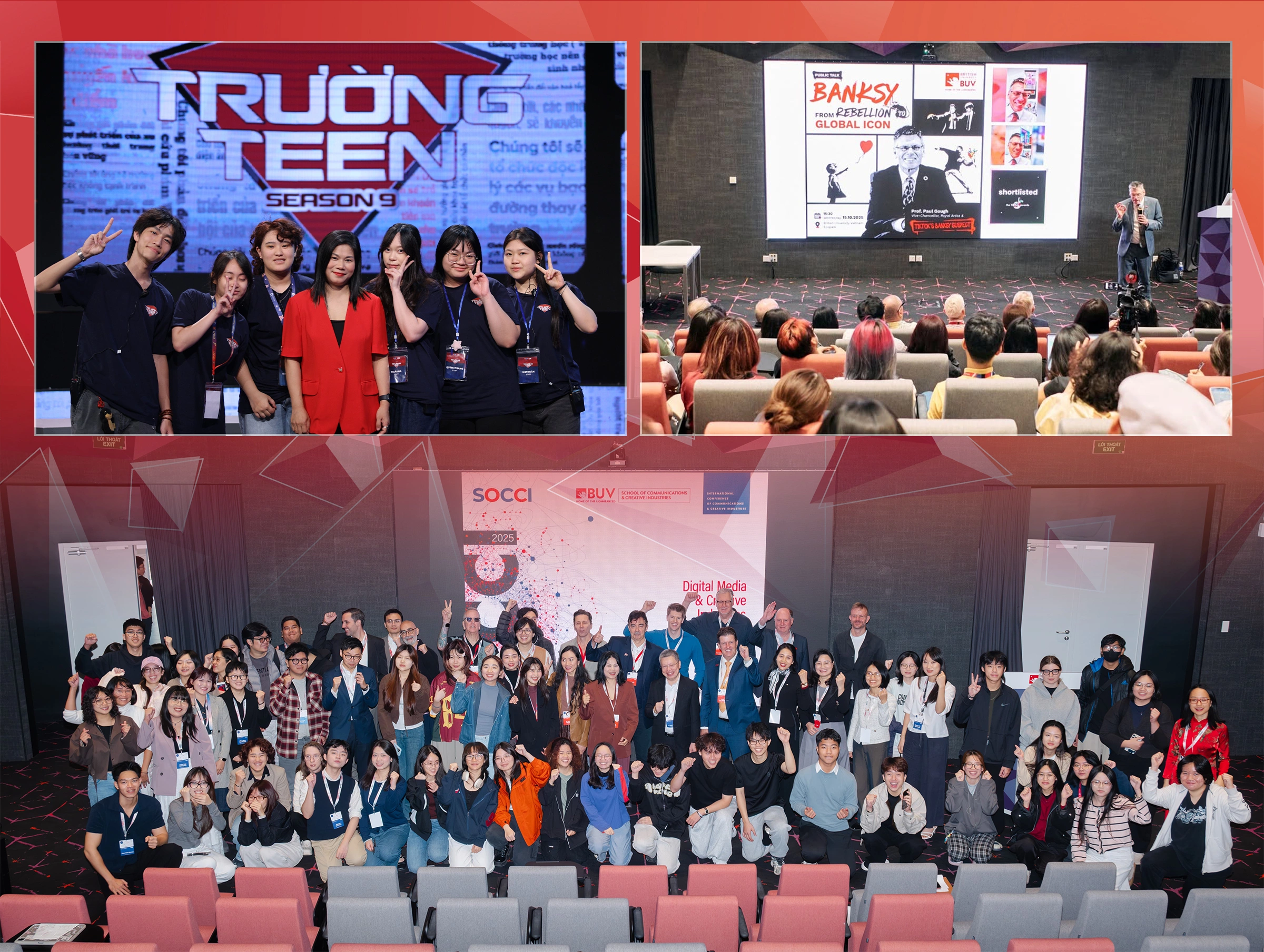
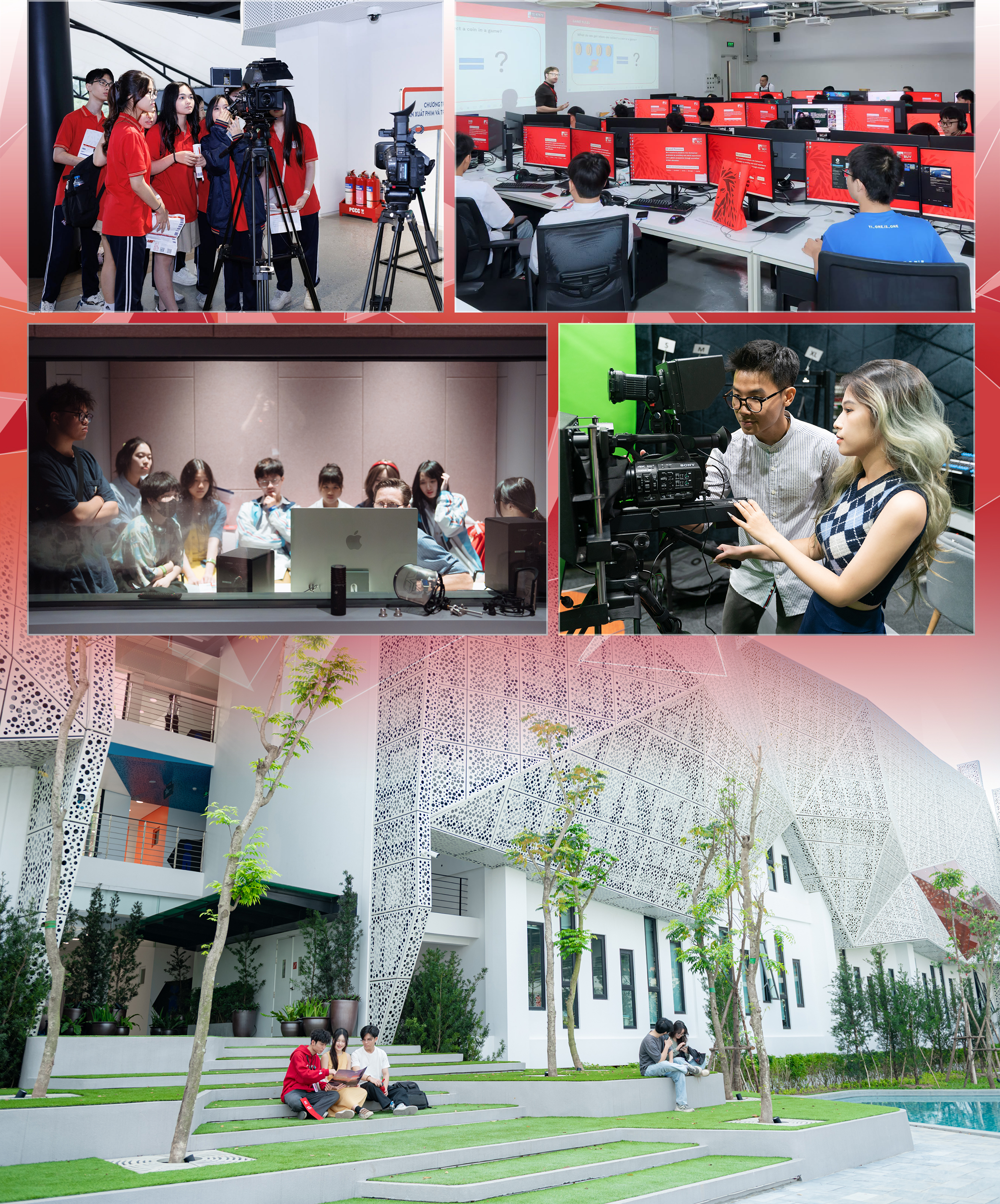
An educational philosophy also needs the right learning environment. BUV has invested in studios and media production laboratories and developed partnerships with businesses. Industry briefs are introduced from the first week of study, giving students opportunities to work on challenges that reflect actual market conditions.
How does BUV balance the academic rigor of British education with the flexibility required in creative disciplines?
Our approach is grounded in British academic traditions, while encouraging students to explore creative markets such as China and South Korea, where the industries are well developed and have cultural and geographical relevance to Vietnam.
Through international study visits, students observe how creative technologies are applied in practice and gain a better understanding of the cultural environments in which these industries operate.
This combines a British degree and English-medium education with opportunities to explore creative practices across borders. Students need academic knowledge, but they must also understand how creative industries operate, evolve and create opportunities internationally.
We want them to develop the confidence and capabilities to work across different markets.
How can young Vietnamese creators develop intellectual property that reflects their cultural identity while appealing to international audiences?
Vietnamese culture offers a rich source of inspiration. The challenge is learning to tell those stories in contemporary ways and using available technologies to reach audiences beyond Vietnam.
Cross-border distribution platforms and AI-powered multilingual dubbing, for example, can help films reach viewers who speak different languages.
At BUV, we teach students to develop stories and creative products by drawing on academic knowledge, industry experience and international perspectives. But producing a compelling story or technically strong product is only the beginning. Students also need to understand how to commercialize, distribute and promote their work in domestic and international markets.
Creating something valuable and knowing how to bring it to an audience are different skills. We want students to understand the entire process and graduate with both professional capabilities and a sense of responsibility for their work's social impact.

With AI changing workplace expectations, how does BUV prepare students for employment in the creative industries?
From the first week of specialized modules, students receive briefs from corporate groups, businesses or partner organizations.
They work in teams resembling small communications agencies or creative studios, assigning responsibilities, responding to client requirements, preparing budgets and considering the social impact of their projects. By their second year, they are already working on real business challenges.
Company visits also allow students to observe professional operations. Those interested in internal communications, for example, can see how communications teams function within an organization.
Through a network of more than 500 business partners, BUV gives students opportunities to engage with industry professionals, including creative directors, and connect classroom learning with workplace practice.
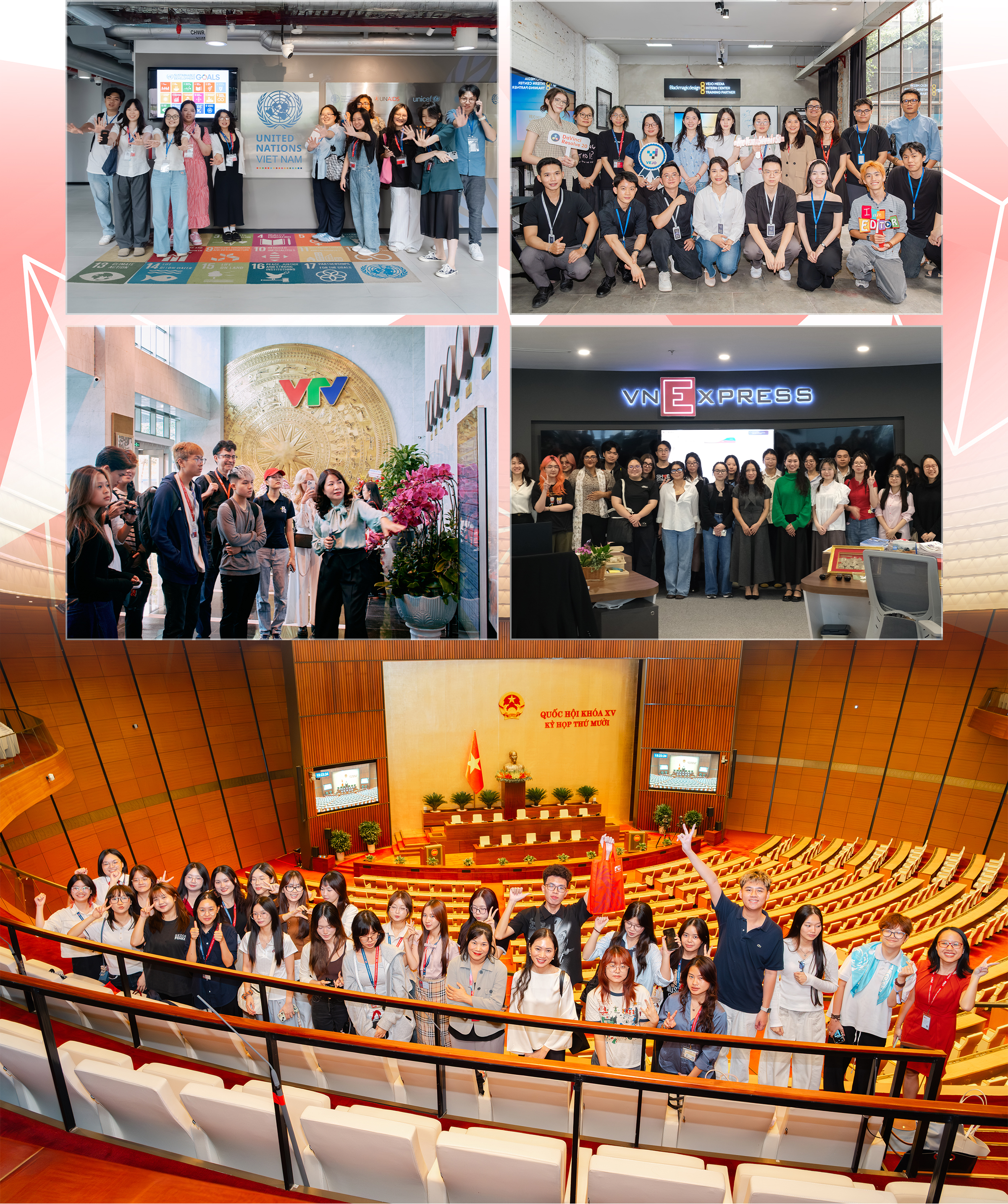
According to the university, around 60% of students in its Professional Communication program secure internships at major corporations after completing their first year and passing recruitment interviews.
These experiences help students identify their strengths and career interests, whether in market research, content production or creative direction. By graduation, they have encountered industry challenges and gained practical experience to support their transition into employment.
How do you assess whether a student is genuinely ready to enter the workforce?
One of the most useful measures comes from businesses themselves.
When industry experts and creative directors visit our classrooms and review student assignments, they often ask whether the work could be used in a real business setting. Some student projects have received positive feedback from industry partners and subsequently been implemented.
Professional attitude is another important measure. Business leaders have told us they value students' professionalism, critical thinking and ability to work under pressure.
By regularly presenting ideas to lecturers and experienced industry professionals, responding to criticism and revising their work, students become better prepared for workplace expectations.
What is your most important advice to young people preparing for careers in the creative industries?
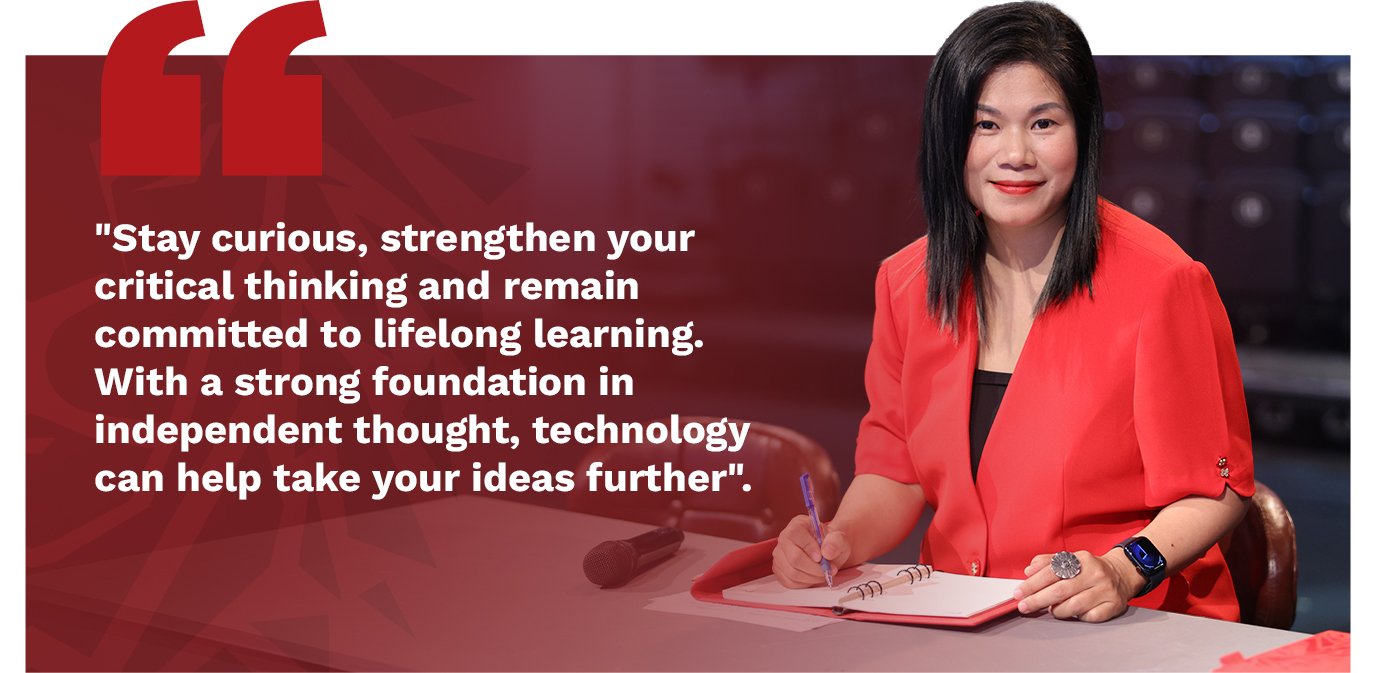
Do not be afraid of technology, but do not become passively dependent on AI prompts.
If you train only for simple, repetitive tasks, you may become more vulnerable as technology advances. But if you develop higher-level thinking, learn to use AI effectively, question ready-made answers, maintain professional discipline and retain your capacity for empathy, you can bring qualities to your work that technology cannot easily replicate.
Written by Thy An


